Hey Ollie blog readers! We’re offering you an exclusive 60% OFF your starter box! Try now!
23 September 2025
6 MINS READ
Back to School: Training Your Dog at Any Age
As we hit back-to-school season rolls around, it’s not just kids who benefit from sharpening their skills and learning something new—our dogs can, too! Training isn’t limited to puppies or problem behaviors; it’s a lifelong process that helps keep dogs mentally stimulated, well-mannered, and connected to us. Whether you’re bringing home a chaotic new puppy, […]
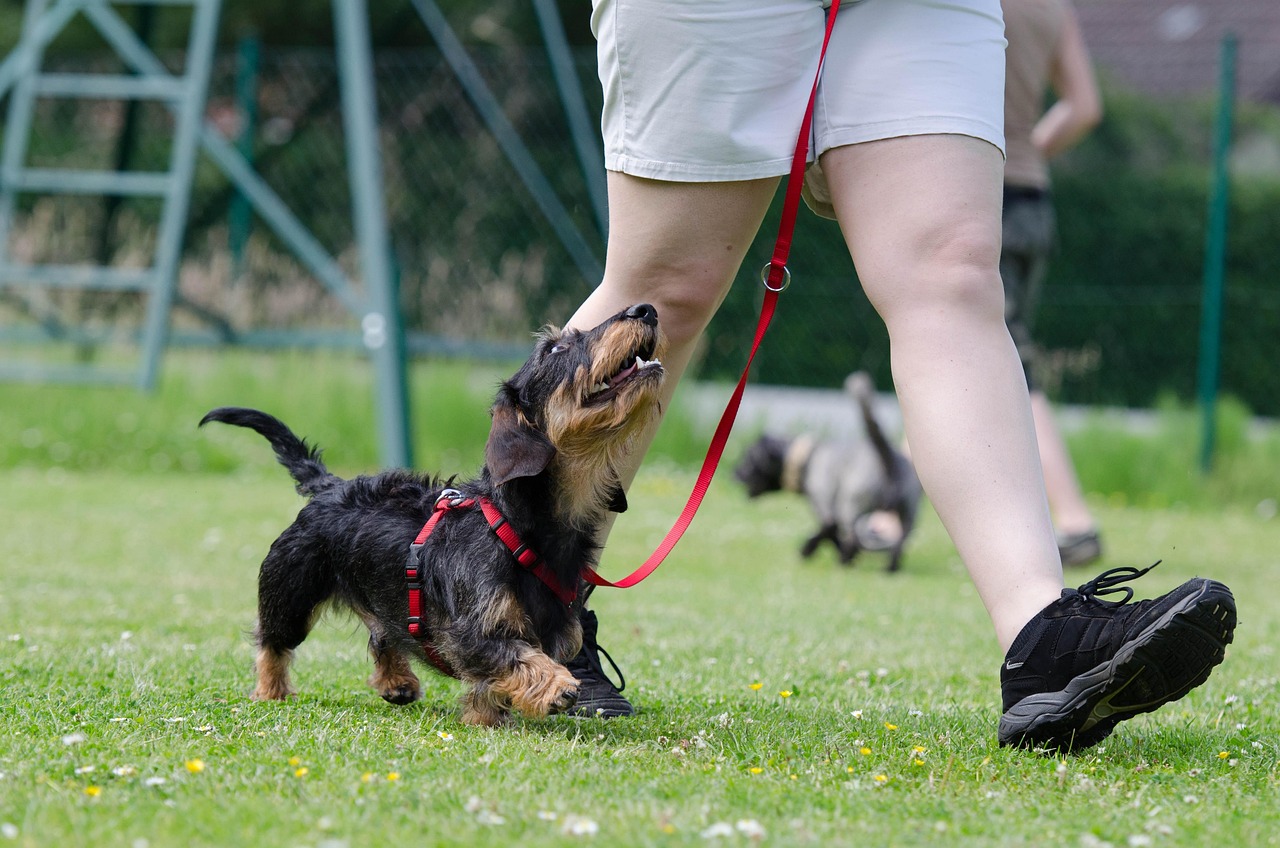

As we hit back-to-school season rolls around, it’s not just kids who benefit from sharpening their skills and learning something new—our dogs can, too! Training isn’t limited to puppies or problem behaviors; it’s a lifelong process that helps keep dogs mentally stimulated, well-mannered, and connected to us. Whether you’re bringing home a chaotic new puppy, living with an energetic adult, or sharing life with a wise senior, it’s never too late (or too early) for your pup to head back to school.
Teaching Old (and Young) Dogs New Tricks
One of the best things about dogs is that they never really graduate from learning. Whether they’re a curious puppy, a busy adult, or a slow-and-steady senior, training keeps their minds sharp and their bond with you strong. Just like people, dogs pick up habits—good and not-so-good—throughout their lives, and a little ongoing education helps steer them in the right direction.
Think of training as more than teaching commands; it’s about building a shared language between you and your pup. When your dog understands what you’re asking, everyday life becomes smoother for both of you. And here’s the bonus: learning is mental exercise. For dogs, even a short training session can be as stimulating as a long walk.
No matter where your dog is in their journey, remember: every age is the right age to learn.
Preschool: Puppies
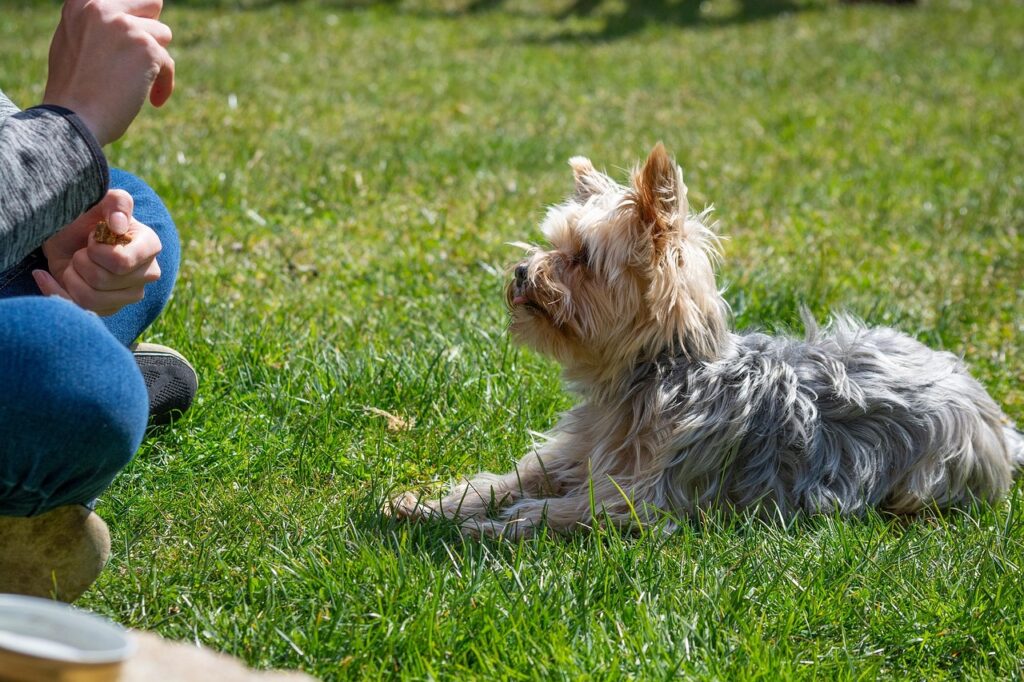
Think of puppyhood as the first day of school—everything is new, exciting, and a little overwhelming. This stage is all about setting the foundation for good behavior and helping your pup grow into a confident, well-adjusted dog.
Training sessions at this age should be short, upbeat, and consistent—more like recess than a long class. Focus on simple, basic cues like sit, stay, come, and leave it. Keep plenty of treats on hand, and remember that patience and positivity go a long way.
Socialization is another major subject in puppy preschool. Safely exposing your pup to new people, friendly dogs, different environments, and even everyday noises helps prevent fear or anxiety later on. A trip to the park, a stroll downtown, or even meeting the mail carrier can all be valuable lessons.
The goal isn’t perfect obedience, it’s creating positive experiences and building your pup’s eagerness to learn. With the right start, your puppy will graduate from preschool with confidence, curiosity, and a love of training.
Grade School: Adult Dogs
If puppies are wide-eyed preschoolers, adult dogs are like grade schoolers—still eager to learn, but sometimes testing boundaries or carrying a few old habits with them. The good news? Adult dogs are often quicker to pick up new skills than puppies because they have longer attention spans and more self-control.
This stage is about polishing manners and filling in any training gaps. Common goals include leash etiquette, polite greetings (no more jumping on guests!), impulse control, and reinforcing recall. Consistency is your best tool here — think of it like reviewing homework regularly instead of cramming the night before a test.
You may also need to work on unlearning behaviors your dog picked up earlier, such as pulling on the leash or counter surfing. Breaking habits takes time, but with patience and positive reinforcement, adult dogs can absolutely make progress.
Training at this stage isn’t just about behavior—it’s about deepening the bond between you and your dog. With structure and guidance, your adult pup can thrive in those “middle school” years and beyond.
Continuing Education: Senior Dogs
They say you can’t teach an old dog new tricks, but that’s one myth worth busting. Senior dogs are capable of learning, and training at this stage offers more than good manners. It keeps their minds sharp and boosts their confidence.
The key is adjusting lessons to suit their age and comfort level. Keep sessions short and gentle, choose softer treats that are easy to chew, and opt for lower-impact activities. Teaching cues like ‘wait’ or ‘touch’ can be just as rewarding as agility or recall drills, without the physical strain.
Enrichment is another powerful tool for older pups. Puzzle toys, scent games, or even hiding treats around the house give them a fun “class project” that engages their brain and taps into natural instincts.
At this stage, it’s less about speed or precision and more about finding joy in learning. Senior dogs have earned their wisdom, but continuing education ensures they stay curious, engaged, and connected with plenty of gold stars along the way.
Classroom Essentials: Dog Training Tips
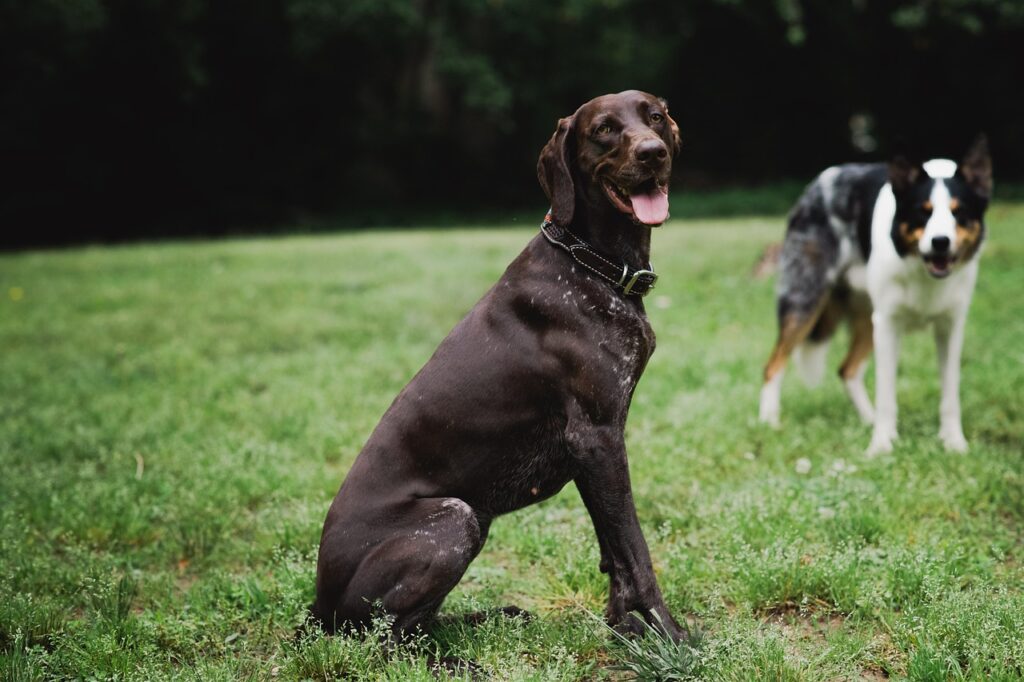
Just like kids need pencils, notebooks, and a quiet space to study, your training plan requires a few basics to set you and your dog up for success.
1. Rewards that Motivate
Treats are the number one teaching tool. Find out what your dog loves most: treats, pets, or even their favorite toys—and use those as rewards. The more motivating the reward, the more eager your dog will be to participate.
2. Positive Reinforcement
Reward the behaviors you want to see. When your dog learns that good choices lead to praise, treats, or play, they’re more likely to repeat them. Training becomes a game instead of a chore.
3. Consistency and Repetition
Dogs thrive on clear rules. Use the same words and gestures for commands, and make sure everyone in the household is on the same page. Think of it like studying from the same textbook, no mixed signals.
4. A Distraction-Free Zone
Choose a quiet spot for training sessions, especially at the beginning. Just as it is challenging to do homework in a noisy cafeteria, it’s tough for dogs to focus when the environment is full of distractions. Once they get the hang of things, you can slowly add challenges.
With the right supplies and environment, your training sessions will run more smoothly, and your dog will be eager to attend class again and again.
Report Cards & Tracking Progress
Every good school experience comes with progress reports, and dog training is no different. Tracking your dog’s improvement not only helps you see how far they’ve come but also keeps you motivated when things feel slow.
Start by celebrating the small wins: your pup holding a “sit” or “wait” command for a few extra seconds, walking calmly for one block instead of pulling, or mastering a new cue. These are the A+ moments worth recognizing. Remember, learning isn’t always a linear path; setbacks are normal. Think of them as pop quizzes; challenging, but also a chance to practice what you’ve both learned.
Patience is key. Some skills may click in a matter of days, while others take weeks of consistent repetition. What matters most is steady progress and the bond you’re building along the way. Training your pup isn’t about perfection; it’s about teamwork and growth.
Training isn’t about age; it’s about opportunity. Every dog benefits from learning. The classroom might be your living room, the backyard, or even the sidewalk on a daily walk, but the lessons are always the same: patience, consistency, and connection.
So as the back-to-school season inspires fresh starts, consider enrolling your dog in their own learning journey. Whether you’re teaching basics, breaking old habits, or simply adding a few new tricks, training keeps your dog’s mind sharp and your bond strong. Because no matter how old they are, your pup is always ready for a little extra credit.
Tagged As:
The nutrition your dog needs,
the food they want.
Written by:
Ollie is a dog-first company providing fresh, healthy food for dogs of all ages, breeds, and sizes.


Enjoying our articles? Subscribe our Newsletters and get new articles directly to your inbox
You might also like
23 September 2025
7 MINS READ
Lace Up and Leash Up: A Beginner’s Guide to Running with Your Dog
Running is one of the simplest ways to stay active, and it’s even better with a canine companion. Not only does running with your dog keep you both in great shape, it also strengthens your bond …
by Ollie Pets
13 May 2025
8 MINS READ
Puppy Training Guide & Behavior Timeline
Bringing home a puppy is pure magic. It’s also pure chaos—tiny teeth, zoomies, accidents in the house, and moments that make you wonder if you’re raising a future genius or a tiny tornado. …
by Ollie Pets
10 May 2025
12 MINS READ
New Puppy Checklist: Guide To Prepare For A New Dog
Bringing home a new puppy? This checklist covers everything new dog owners need—from essential supplies to training, feeding, and first vet visits.
by Ollie Pets