Hey Ollie blog readers! We’re offering you an exclusive 60% OFF your starter box! Try now!
17 November 2016
3 MINS READ
Do Dogs Need Salt? Pros and Cons of Sodium in Your Dog’s Diet
Most humans have realized the downsides of consuming too much salt (you know, minor things like kidney disease and heart attacks.) But can it do the same damage to dogs? Turns out our pups’ systems react similarly if they have too much sodium, says Ernie Ward, DVM, veterinarian and author of Chow Hounds. But sodium […]
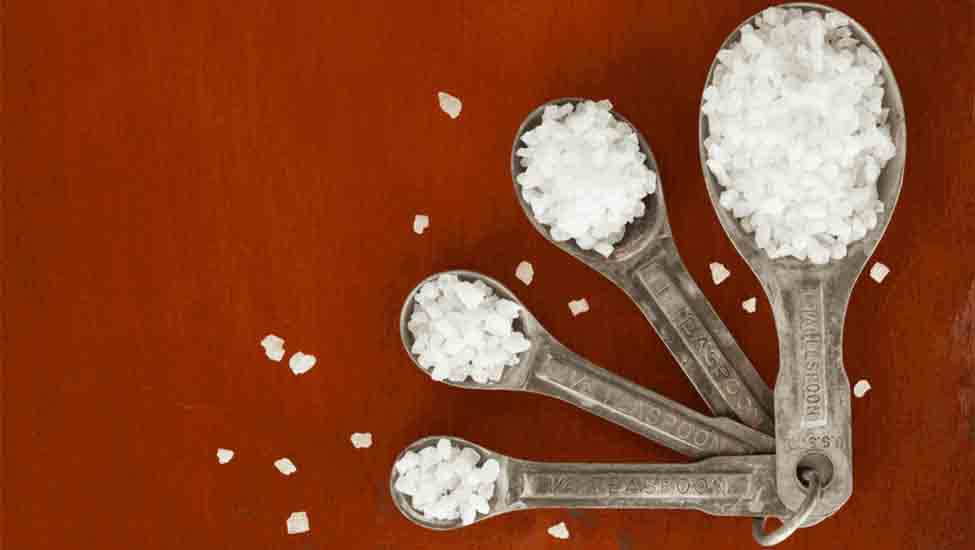

Most humans have realized the downsides of consuming too much salt (you know, minor things like kidney disease and heart attacks.) But can it do the same damage to dogs? Turns out our pups’ systems react similarly if they have too much sodium, says Ernie Ward, DVM, veterinarian and author of Chow Hounds. But sodium is also an essential part of a canine’s diet. Confused? We asked the questions you need answered to clear up the salty dispute.
Do dogs need sodium in their diets?
Salt is a nutritional requirement for dogs, says Greg Aldrich, PhD, research associate professor and pet food program coordinator at Kansas State University. It maintains their cellular environment, preventing cells from dehydrating and swelling. It also maintains nerve and muscle cell function.
How much sodium do dogs need?
There isn’t a magic number, Ward says, explaining, “There are so many variables.” A dog’s sodium need may rise or fall depending on his activity level, how much water he consumes, his age, and other factors. According to The Association of American Feed Control Officials, dry dog food should contain at least .3 percent sodium, but most healthy dogs can have more and they’ll still be fine, according to Ward.
What happens if my dog has too much sodium?
Too much can result in kidney failure, high blood pressure and cardiac disease, Ward says. The amount of sodium needed to have this impact varies from dog to dog, it’s hard to say just how much will be detrimental to a dog’s health.
So why are some dogs still getting too much sodium?
While most dog foods contain perfectly healthy levels of sodium, there are plenty of treats that pack on the salt, Ward says, warning dog owners to be especially cautious when introducing an older dog to a new treat. He often sees senior pets come into his office after eating new treats for a few weeks, only to have kidney failure because they are so high in sodium. Giving your dog table scraps from food with high sodium content like deli turkey can cause similar issues.
What are some signs that my dog is consuming too much sodium?
The most common signs are excess thirst and urination. “Your dog will want to drink water to get rid of the excess salt,” Ward explains. If you’re concerned, your vet can do a blood test or a urine test to determine if their sodium level is too high.
How do I lower my dog’s sodium level?
Your vet will probably recommend skipping the treats and sticking to a low-sodium diet, which can vary from moderate (.2 percent) to greater salt reduction (more than .25 percent). Some dogs who have advanced heart failure may even need to be restricted to .1 percent. Before choosing a low-sodium food, speak with your vet about a recommended level.
The Ollie blog is devoted to helping pet parents lead healthier lives with their pups. If you want to learn more about our fresh, human-grade food, check out MyOllie.com.
Tagged As:

The nutrition your dog needs,
the food they want.
Written by:




Enjoying our articles? Subscribe our Newsletters and get new articles directly to your inbox
You might also like

26 August 2025
4 MINS READ
Is Fresh Dog Food Safe?
If you’re thinking about switching your dog to a fresh food diet, you might be asking yourself: “Is fresh dog food safe?” It’s a smart question—because feeding fresh means you’re worki…
by Ollie Pets

26 August 2025
4 MINS READ
How Do I Know How Much Fresh Dog Food To Feed?
If you’ve switched your pup to fresh food, you’re probably wondering: “How much fresh dog food should I feed?” It’s not as simple as scooping kibble from a bag—fresh food is more nutri…
by Ollie Pets

26 August 2025
4 MINS READ
Do I Need To Cook Fresh Dog Food?
If you’ve just started exploring fresh dog food, you might be wondering: “Do I need to cook it?” or “Is it raw or already cooked?” It’s a common question, especially with so many pet f…
by Ollie Pets